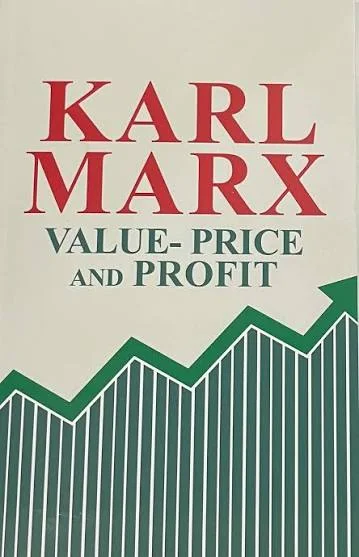
In *Value, Price and Profit*, Karl Marx delivers a foundational critique of capitalism, dismantling the opaque mechanisms that govern modern economies. Originally presented as lectures to the First International Workingmen's Association in 1865, this concise yet profound work serves as an essential guide to understanding how labor creates value. Marx meticulously analyzes the relationship between commodities, money, and profit, asserting that the true value of any product is determined by the socially necessary labor time required for its production.
The text delves into core economic tenets, explaining why wage labor inherently involves a form of exploitation. By tracing the journey from raw labor to market price, Marx reveals how capital accumulates wealth not through mere exchange, but through the extraction of surplus value—the difference between the value created by labor and the wages paid for it. This analysis provides readers with a powerful framework for understanding the systemic dynamics of capitalist profit.
This seminal work remains crucial reading for anyone seeking to understand the historical roots of economic inequality and the fundamental theories underlying market structures. It is an indispensable piece of literature that challenges conventional assumptions about labor, wealth, and power.